
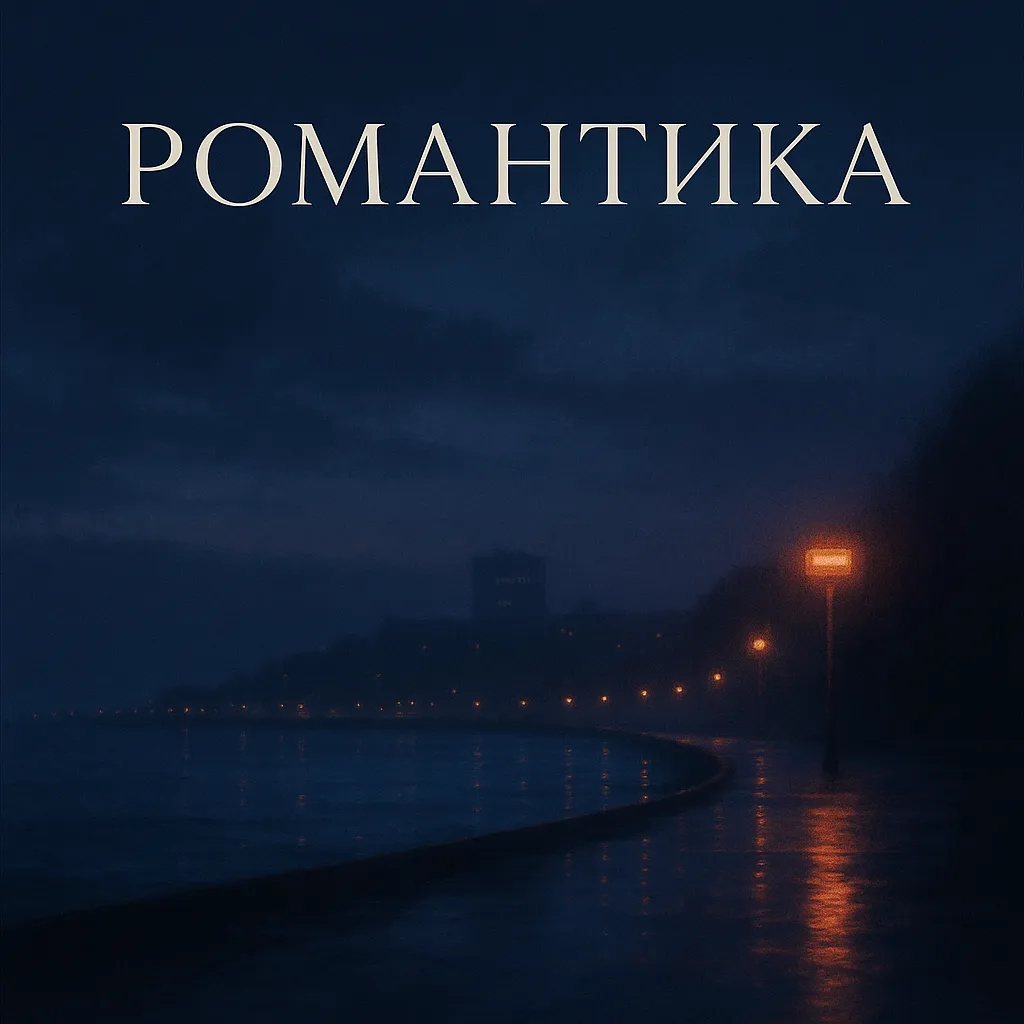
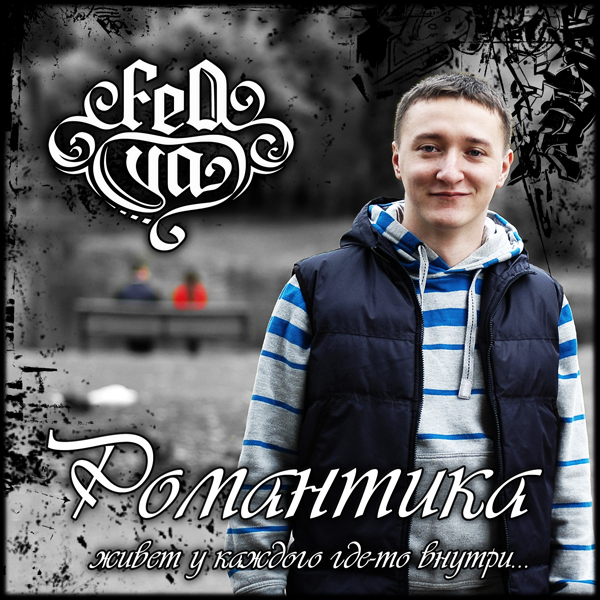


The Romantika album was released on December 8, 2010, the result of nearly two years of work with composer Alexei Pogorelov and vocalist Yulia Panchenko. But the poems inside it were not written in those two years. The oldest — "Летний вечер" — dates to 2004. "Небо потеряло краски" to autumn 2005. "Стираются фото" to the summer of 2006. The album arrived in 2010, but the collection it drew from had been accumulating since the poet was seventeen.
That span — six years of source material shaped into a single release — is what gives Romantika its unusual texture. It is not a document of one moment. It is a retrospective assembled at the moment of greatest creative intensity, with the earliest pieces chosen for what they said in hindsight rather than what they said at the time.
What the collection is about, taken as a whole, is the question in its title. "Где ты, Романтика?" — where did you go? — is asked explicitly in "Где ты, Романтика?", written in the same summer the album was being built. The answer the collection as a whole provides is: it never left. It just changed shape. The teenage love poems are romantic in the uncomplicated sense — absolute feeling, pure address, no irony. The later poems are romantic in a harder sense — holding on to feeling in the face of loss, distance, disappointment, and the slow drift of years.
The collection moves through three recognizable phases. The early poems ("Летний вечер", "Ми намагаємось звільнитись…", "Небо потеряло краски", "Стираются фото...") are raw and personal, written to specific people about specific situations. They carry the energy of someone who has just discovered that writing is a way of surviving feeling rather than being consumed by it. The middle poems — the 2009 cluster that forms the core of the album ("Пришла пора чудесная дня Валентина", "Улетаешь, таешь...", "Где ты, Романтика?", "Красно-желтый лист упал на асфальтную гладь", "Чужое сердце", "Город мой", "Нет дыма без огня") — are more formally controlled, more aware of themselves as poems rather than acts of expression. Distance, whether physical or emotional, becomes the primary subject: the distance between people, between the present self and the feeling self, between what was and what remains. The closing 2010 poems ("На закате", "Помогите людям", "Отшумел", "Я не могу кричать и опускаю руки") arrive at something like synthesis — a poet who has looked at his own romanticism clearly enough to name it, criticize it, and keep it anyway.
Recurring imagery ties the collection together without being programmatic. Autumn appears in almost every poem that wasn't written in summer. Water — rivers, rain, ice, the water cycle itself — passes through the collection as a metaphor for impermanence. Light and darkness frame the emotional register of poem after poem. These weren't chosen; they accumulated, which is why they feel inevitable rather than decorative.
The formal variety is wide. Some poems are songs with chorus structures designed to repeat and accumulate. Some are concentrated short lyrics — twelve lines, one idea, nothing wasted. Some are long meditations that move through a feeling from multiple angles. That variety reflects the real span of time and development the collection contains. The poet who wrote "Летний вечер" at seventeen and the one who wrote "Отшумел" at twenty-two are not the same person. The collection holds both without pretending otherwise.
The closing poem, "Отшумел," knows it is a closing poem. Its chorus quotes the collection's own imagery — the sky that lost its colors, the red-yellow leaf — and its central self-portrait applies to the whole album: "Я романтик в глубине души, но а снаружи / Буду дерзок, груб, прямолинеен." A romantic inside, blunt outside. That is what Romantika is: the inside made audible, for once, without apology.
The album proved something the poem "Где ты, Романтика?" feared had been lost. The feeling wasn't gone. It had just been waiting for the right container.
| Title | Year | Actions |
|---|---|---|
| На закате | 2010 | Open page |
| Романтика | 2009 | Open page |
| Прекрасной незнакомке | 2008 | Open page |
| Стираются фото | 2006 | Open page |
| Небо потеряло краски | 2005 | Open page |
| Летний вечер | 2004 | Open page |
| Помогите людям | 2010 | Open page |
| Улетаешь, таешь... | 2009 | Open page |
| Город мой | 2009 | Open page |
| Нет дыма без огня | 2009 | Open page |
| Я не могу кричать и опускаю руки | 2010 | Open page |
| Чужое сердце | 2009 | Open page |
| Красно-желтый лист | 2009 | Open page |
| Ми намагаємось звільнитись | 2005 | Open page |
| Где ты, Романтика? | 2009 | Open page |
| Отшумел | 2010 | Open page |