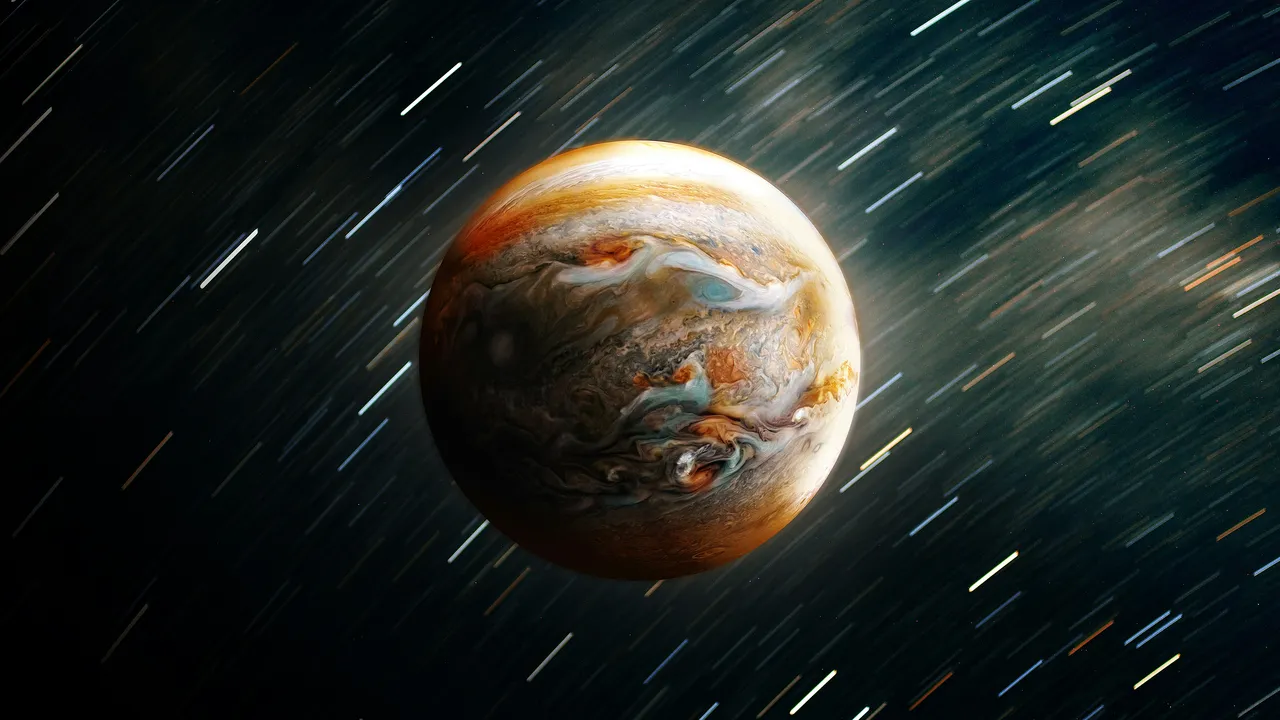
Where Stars
Drift
A high-performance celestial simulation laboratory designed for real-time visualization of cosmic phenomena.
Celestial Classification
The drift engine simulates a diverse range of celestial bodies, each governed by unique physics models and interactive protocols.
Active Stars
The baseline luminosity of the cosmos. Stars range from static background markers to high-mass kinetic bodies that serve as gravitational anchors.
Black Holes
Infinite density wells featuring specialized rendering protocols: Lensing (refraction), Vortex (capture), and Accretion Disk visualization.
Fleet Vessels
Autonomous entities governed by complex flocking algorithms. Starships maintain formation, track objectives, and react to gravitational turbulence.
Cosmic Dust
Atmospheric particle layers that provide depth and fluid motion. Dust responds to global vectors and gravitational anomalies.
The Engine
Laboratory
Where Stars Drift is designed as a modular, framework-agnostic core. Every physics parameter—from gravitational constants to particle lifespan—is exposed through a reactive configuration matrix.
Optimized canvas buffer techniques for mass-scale entity rendering.
Zero dependencies. Easily integrates into any modern JavaScript pipeline.