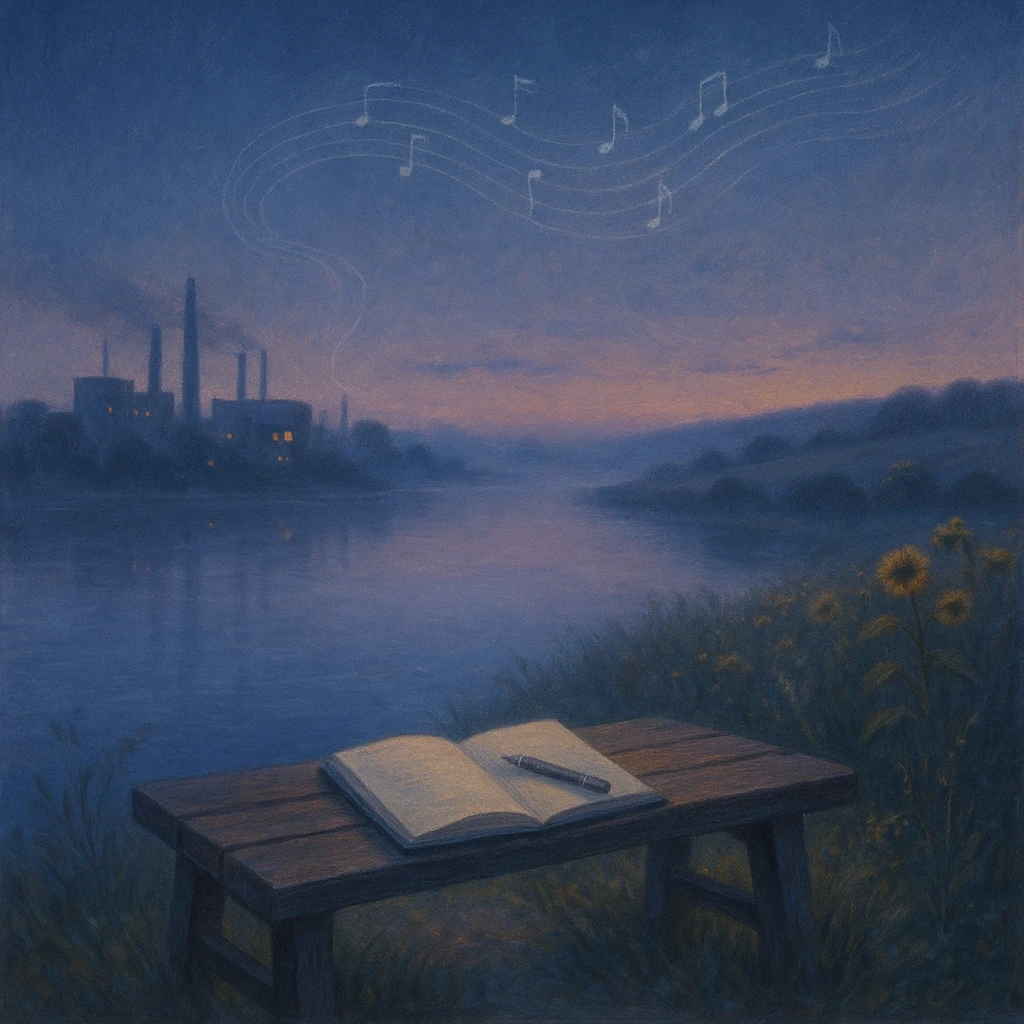
An Unspoken Beginning
I was thirteen when I wrote my first poem. I don't remember what it said exactly — only that it felt necessary. Something had been pressing on the inside that ordinary conversation couldn't reach. Words in lines seemed like the only shape it could take.
Those first years were private and a little embarrassing. I wouldn't show anyone. What I wrote was raw and unfinished in the way that only a teenager's emotions can be — absolute, formless, too large for the container. But by sixteen or seventeen, something had shifted. The writing became more deliberate. More mine. I started to recognize what I was actually doing, and I stopped apologizing for it.
The Shape of Inner Landscapes
Growing up in Sverdlovsk — a grey industrial town in the Luhansk region of eastern Ukraine — didn't offer much in the way of beauty. But every summer I escaped to my grandmother's village in the Cherkasy region, where the fields ran green with corn and gold with sunflowers, and the Dnipro stretched wide and moody depending on the weather. That contrast — the confined and the open, the industrial and the natural — found its way into me early. I learned to pay attention to the inside of things.
It was love that turned attention into words. Or rather: shyness. At twelve or thirteen I was too quiet to say what I actually felt. Poetry was the place where I could say it without the risk of saying it out loud. I could put a feeling down on paper, give it to someone, and let them read what I couldn't speak. It was not a literary ambition at the beginning. It was a workaround for a boy who had a lot to say and no other way to say it.
The Friction of Craft
By the time I was in my final years at Sverdlovsk Lyceum No. 1, the poems had become real enough to share more widely. Two teachers — Natalya Yevheniivna Davydenko and Valentyna Mykhailivna Matvienko — took my writing seriously enough to critique it. Not gently. They sent me back to revise, to reconsider word choice, to hear where the stress fell wrong, where the line broke clumsily. I resisted at first. Then I didn't. That friction — being told that what I wrote wasn't finished — was the first real education in craft I ever received.
Some of those poems made it into the school newspaper, Zerkalo. That was the first time my words existed in print, held by someone else's hands. And near the end of my time at the lyceum, I entered a city poetry competition and placed third. It wasn't a grand victory, but it was the first time someone outside my immediate world acknowledged that what I was writing had value.
The Sincerity of Breaking
The poems that meant the most during those years weren't the careful, polished ones. They were the ones written after something broke. First love has a way of rewriting a person, and mine was no exception. When it went wrong — truly wrong, in the way that only a first real thing can — it changed the tone of everything. Poems like "Любовь..." and "Небо потеряло краски" came from that period. Dark, direct, still a little too sincere to be comfortable. But that sincerity was the point. I've never been interested in poetry that keeps feeling at a safe distance.
I wanted the person reading to know exactly what I had felt. Not a version of it — the real thing.
A Place on the Page
In 2008, already two years into my studies in Cherkasy, I was published in a regional literary collection — "Поетичні обрії ліцеїстів" — an anthology gathering the voices of young writers from the region. It was the first time my name appeared in something with a cover, something you could hold and put on a shelf. I still have photographs of it.
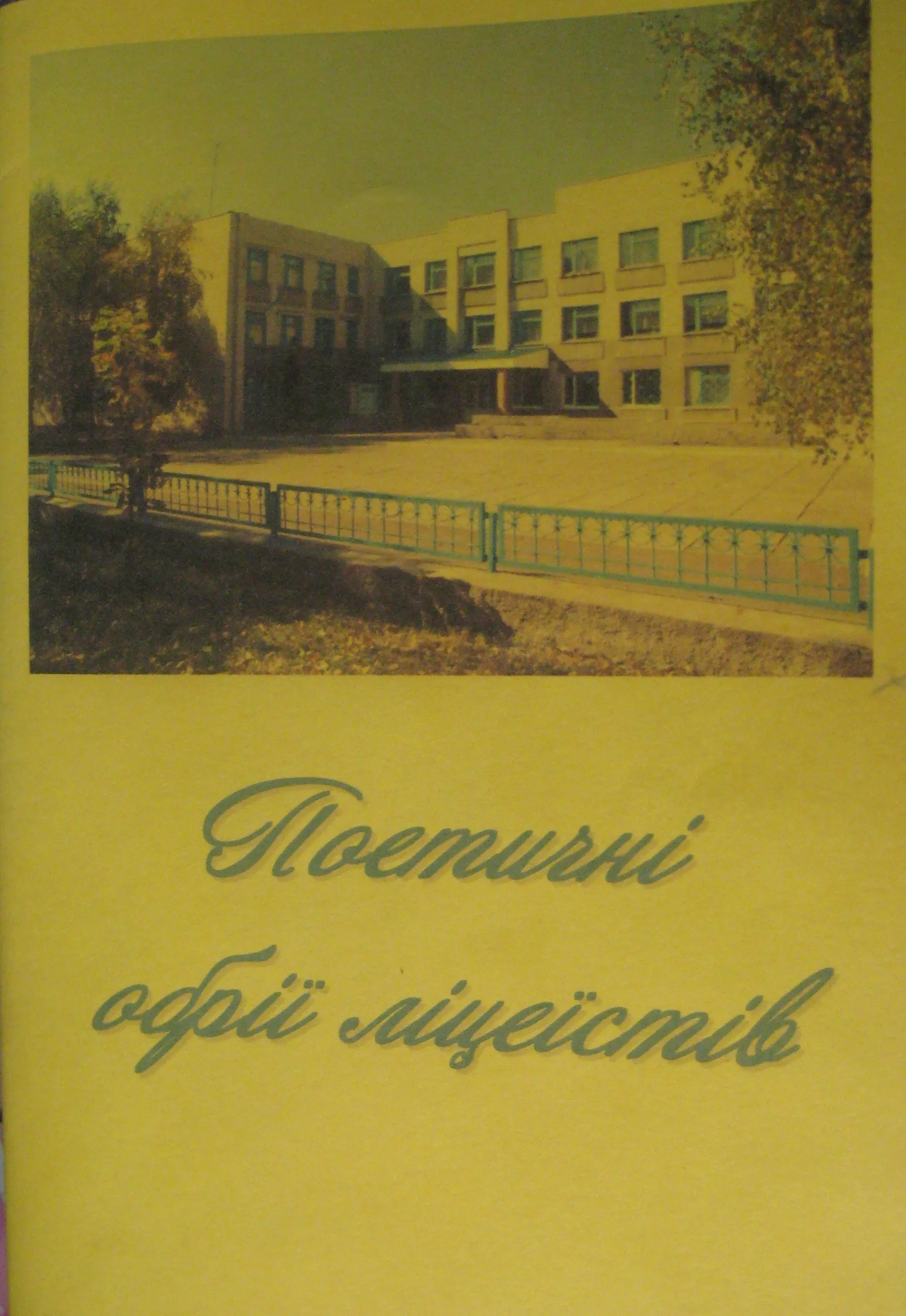
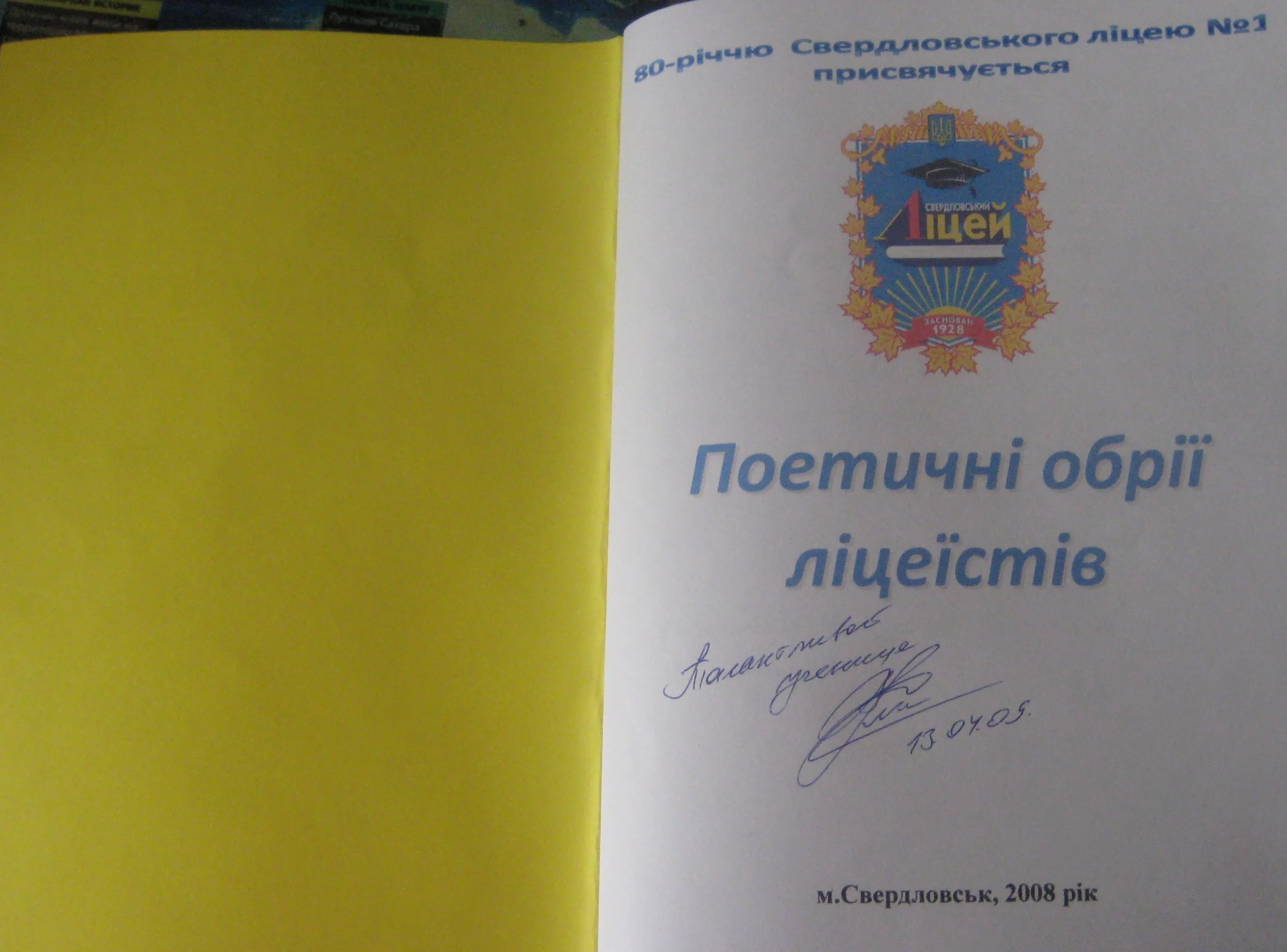
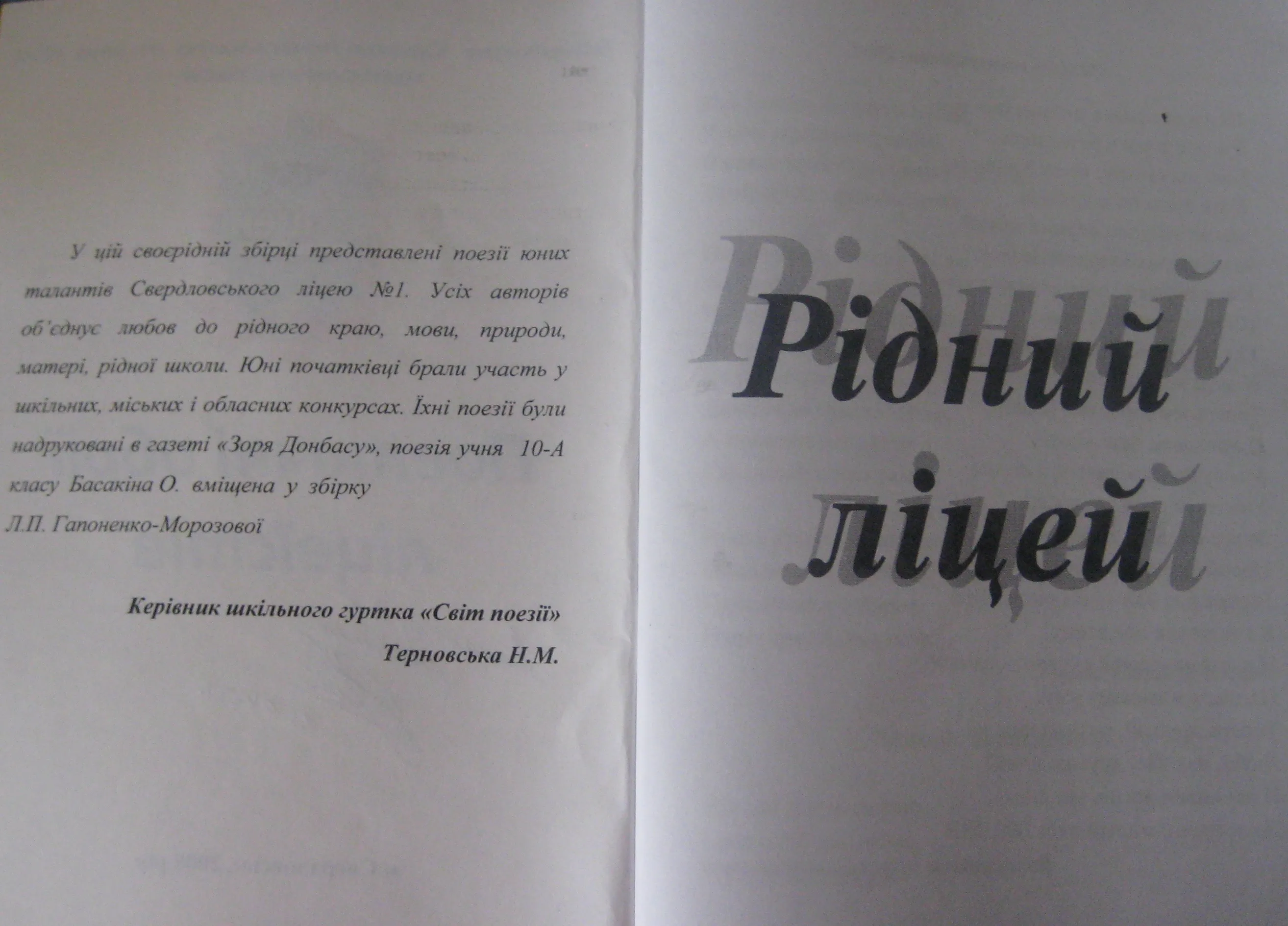
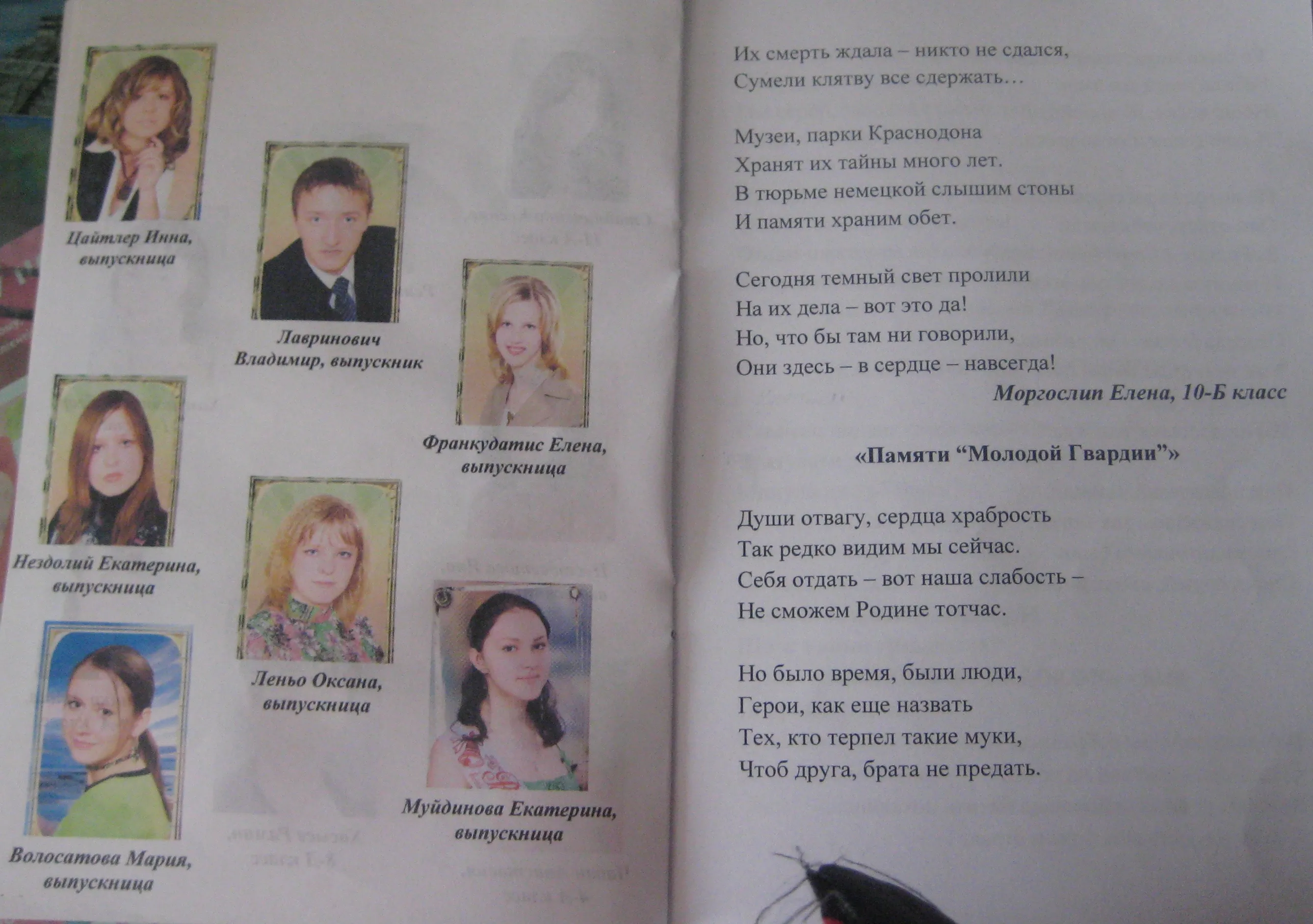
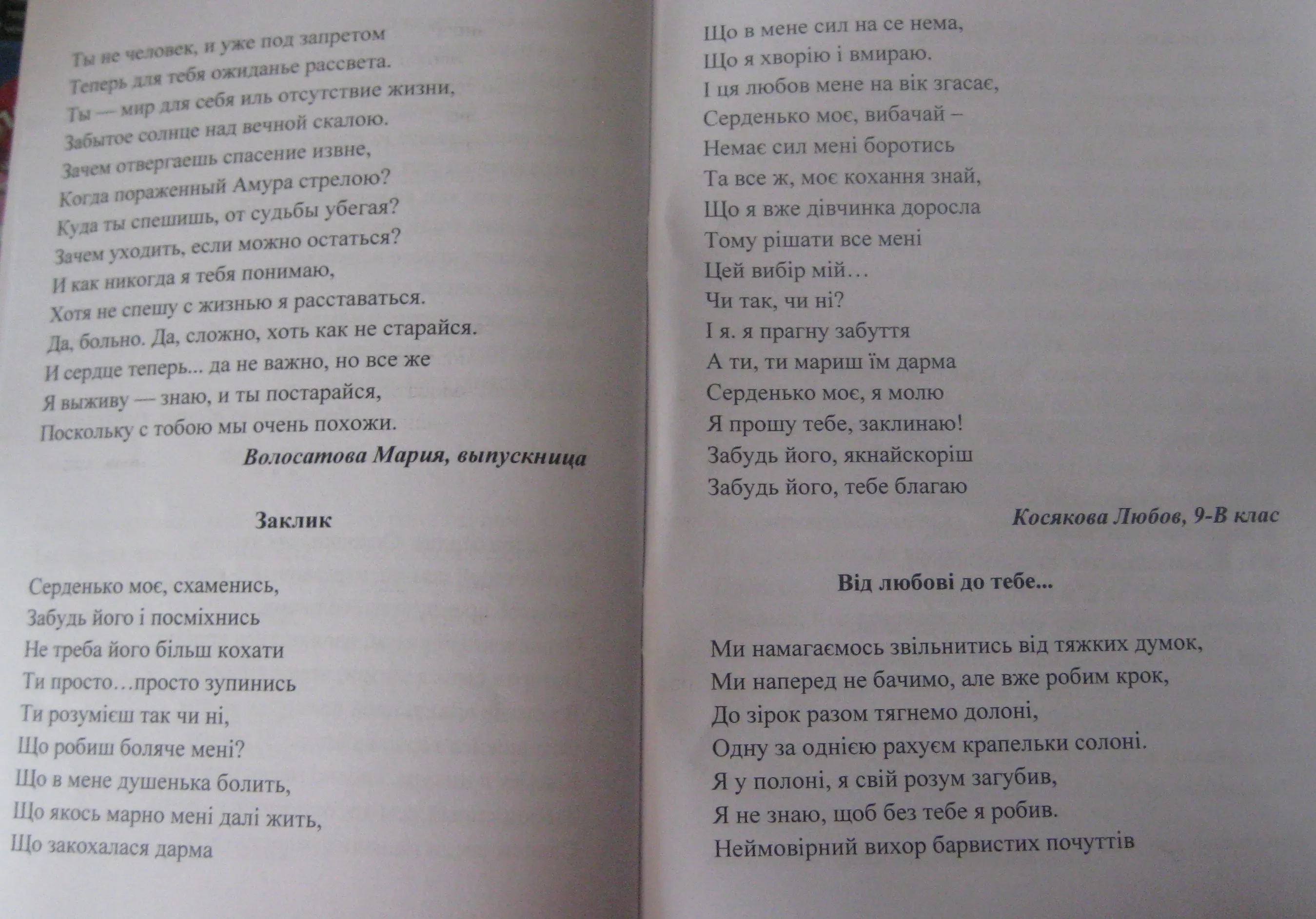
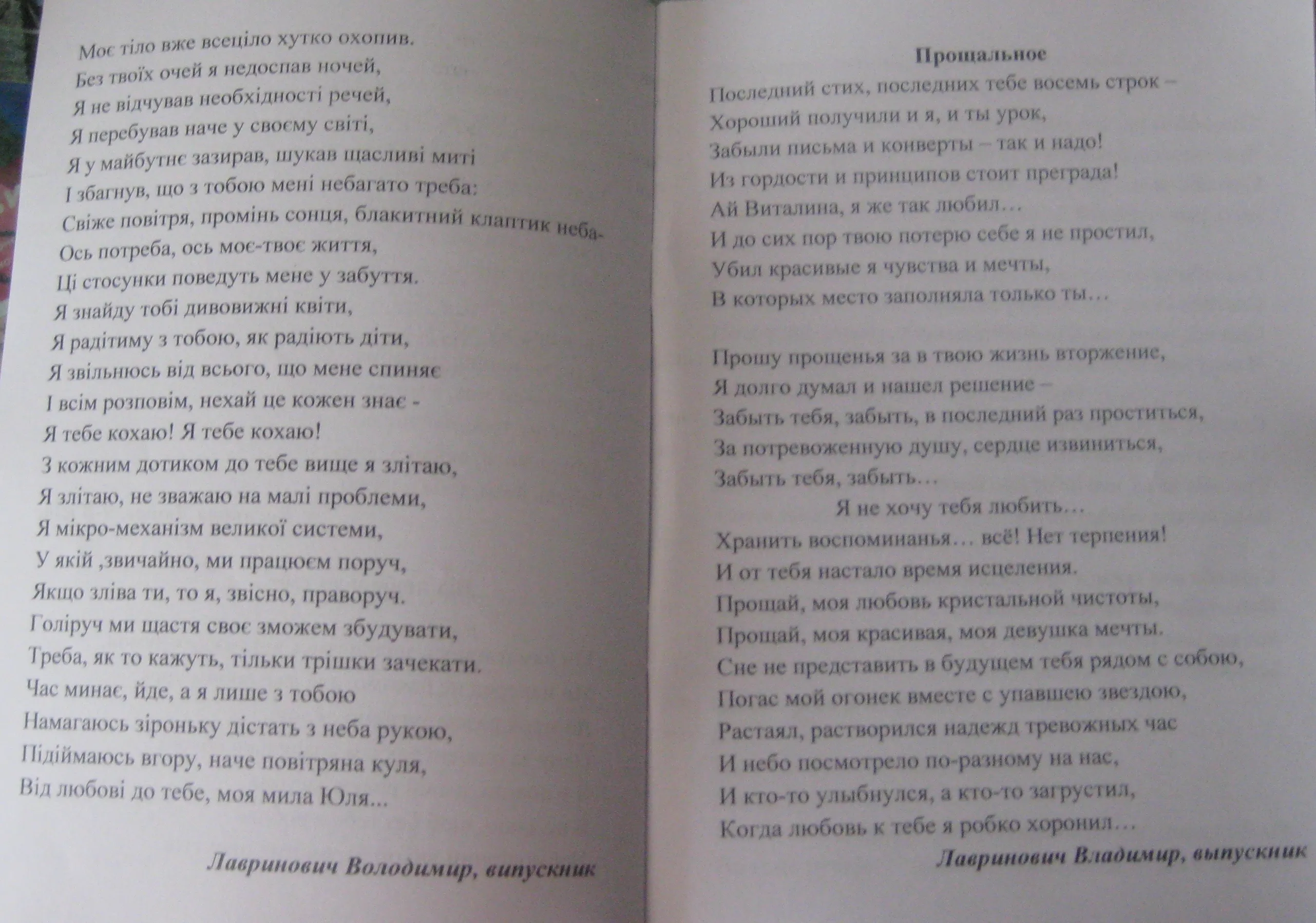
Around the same time, I kept a page on stihi.ru, one of the major Russian-language poetry platforms. For years it was where I shared work publicly. I later left the platform — the war with Russia made it impossible to continue — but the poems themselves survived.
The Confluence of Sound
The years between 2009 and 2010 were the most intense I've known as a writer. Twenty poems in 2009, twenty-one in 2010. That density wasn't accidental — it coincided with the making of my debut music album, Romantika, which I created together with composer Alexei Pogorelov and vocalist Yulia Panchenko, and which was released on December 8, 2010. The idea for the album had been growing since 2005, the year I recorded my first song, using early software and whatever tools I could piece together without formal musical training. In 2009 everything finally aligned. Poetry and music became one process: a line would become a lyric, a lyric would become a melody, a melody would find its way to someone's ears. Music was never separate from the writing — it was the writing, carried further than the page could take it.
The Changing Rhythm
After 2010, the pace changed. Life grew more layered — a career in software engineering, new cities, and eventually a war that displaced the landscape I had written about since childhood. The poems still came, but in a different rhythm: long silences, then a concentrated burst. A handful in a year. Sometimes nothing, then several at once.
I don't write to be a poet. I write because it is the only way I know to be honest with myself.
Over more than twenty years, the a has grown to over a hundred poems. They span teenage love and adult grief, seasons and silences, the Dnipro and places I couldn't have imagined at thirteen. What they have in common is that none of them were written lightly. Every one of them was something I needed to say.
When I first collected my work, at twenty, I wrote at the end: "The history is not written. It is still being written." That was true then. It remains true now.
Poetic Journey
First Poem
Wrote my first poem at age thirteen, a private and necessary act of expression.
Finding My Voice
Began to write more deliberately, honing my craft and sharing work with trusted teachers.
First Publications
Poems were published in the school newspaper "Zerkalo," and placed third in a city poetry competition.
Published in an Anthology
Work included in the regional literary collection "Поетичні обрії ліцеїстів."
Intensive Writing Period
Wrote twenty poems — the most prolific year yet — coinciding with the creation of debut album "Romantika."
Intensive Writing Period Continues
Twenty-one poems written. The debut album "Romantika" was released on December 8, 2010.
A New Rhythm
The pace of writing changed, becoming more sporadic but still a necessary outlet for expression.